RESOURCE LIBRARY

EDUCATIONAL
RESOURCES

Access our comprehensive collection of teaching materials, lesson plans, and research articles

Explore

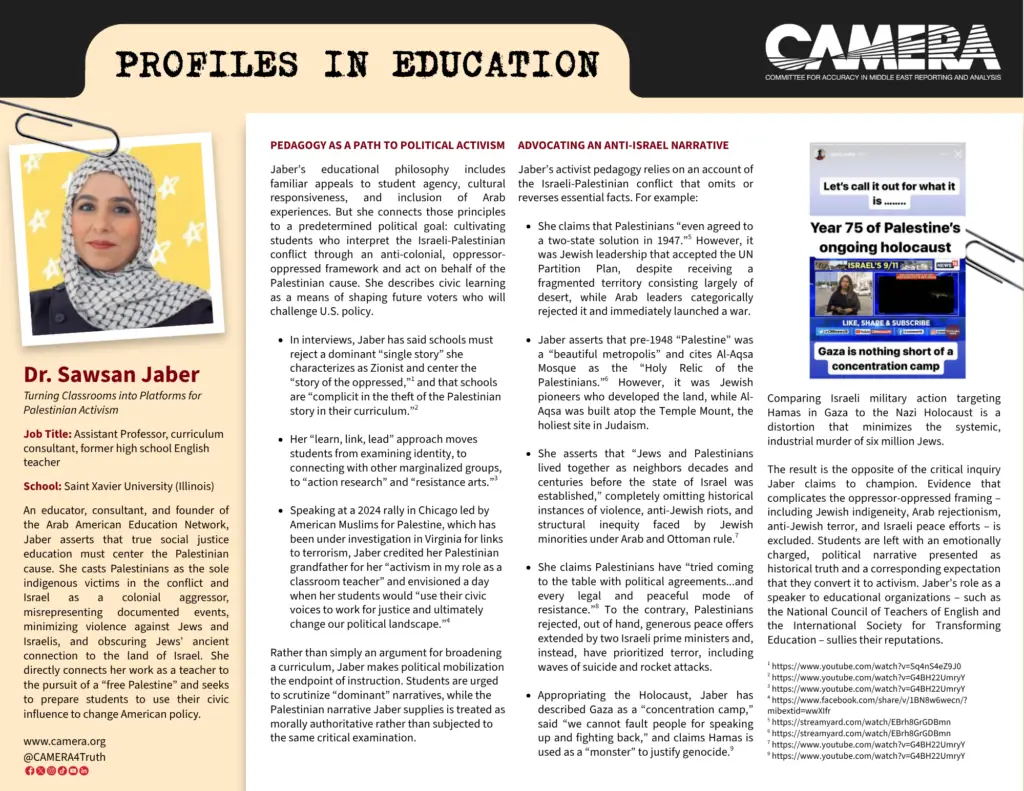
CAMERA — Education consultant Dr. Sawsan Jaber asserts that true social justice education must center the Palestinian cause. She casts Palestinians as the sole indigenous victims in the conflict and Israel as a colonial aggressor, misrepresenting documented events, minimizing violence against Jews and Israelis, and obscuring Jews’ ancient connection to the land of Israel. Read more about her in our report.
The Zinn Education Project (ZEP) bills itself as a grassroots, educational initiative promoting a more “inclusive” approach to history. However, scrutiny of its curriculum exposes a pattern of radical indoctrination targeting K-12 students. The Project distorts history and employs deceptive jargon to advance an anti-American, anti-white, and anti-Israel agenda.
On social media, Palestinian children’s book author and content creator Jenan Matari makes baseless allegations against and fantasizes about the disappearance of the world’s only Jewish state, Israel, while deriding American “arrogance” and “imperialism.” Meanwhile, publisher Penguin Random House has contracted with Matari to co-author a children’s book about Palestinians, set to publish this fall.
CAMERA — The appropriation and evolution of the black-and-white keffiyeh by the pro-Palestinian movement has resulted in an unavoidable association with terrorism and Islamist violence, as the garment is increasingly found in classrooms and during student protests on school grounds.
CAMERA — The K-12 Program has launched Profiles in Education, a new series exposing activist educators. The series includes fact-filled, short papers that parents and community members can leave behind with school officials. In the inaugural edition, Senior Education Analyst Jess Sadick discusses Gholdy Muhammad, whose approach to education is rooted in an oppressor/oppressed binary and is used by anti-Israel activists as a conceptual tool to delegitimize Israel.
Across the United States, many states require instruction on genocide, with the expectation that these lessons present accurate, balanced, and objective analysis. In practice, however, particularly since the October 7, 2023 Hamas terrorist attacks, some instructional materials have introduced highly contested claims, including allegations that Israel is committing genocide
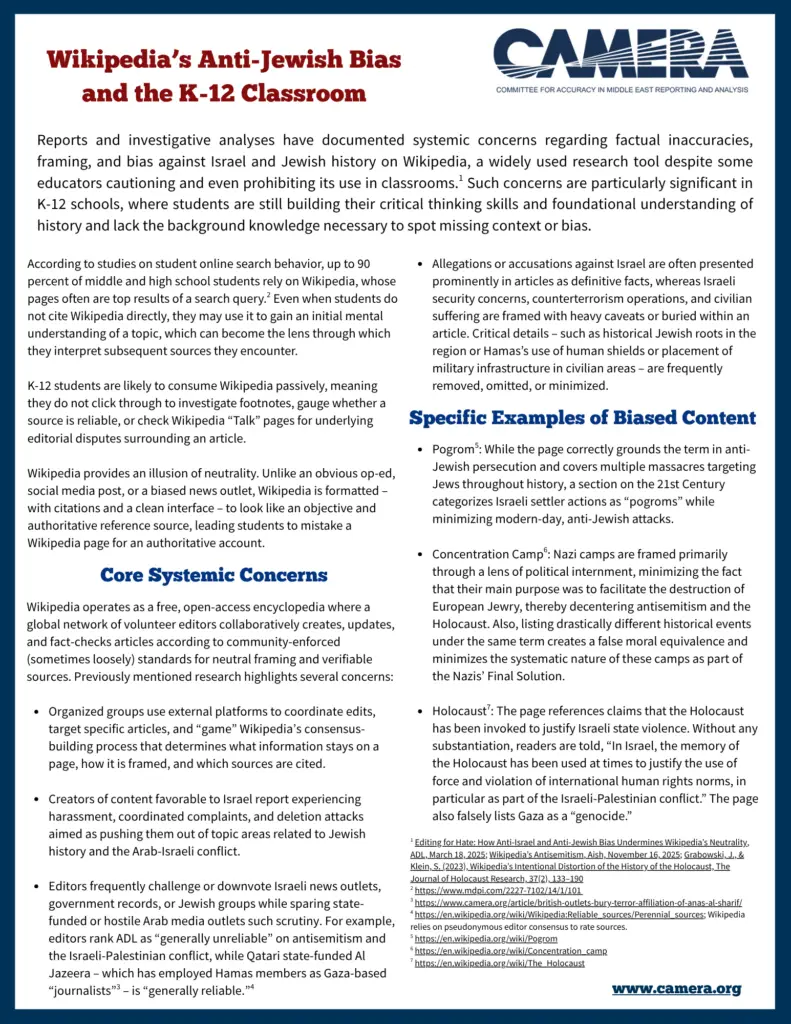
Reports and investigative analyses have documented systemic concerns regarding factual inaccuracies, framing, and bias against Israel and Jewish history on Wikipedia, a widely used research tool. Such concerns are particularly significant in K-12 schools, where students lack the background knowledge necessary to spot missing context and bias.

Hostage

2025

by Eli Sharabi

Eli Sharabi’s memoir not only offers readers a firsthand account of Hamas terrorists’ deplorable treatment of Israeli hostages in captivity, but also paints an inspiring portrait of a man seeking to maintain a hopeful attitude while supporting other hostages in captivity.

Things That Shimmer

2024

by Deborah Lakritz


Edited in collaboration with psychologists, Ben-Ari’s anthology offers 71 stories of heroism, tastefully illustrated in muted tones, in keeping with the editors’ non-sensationalist approach.

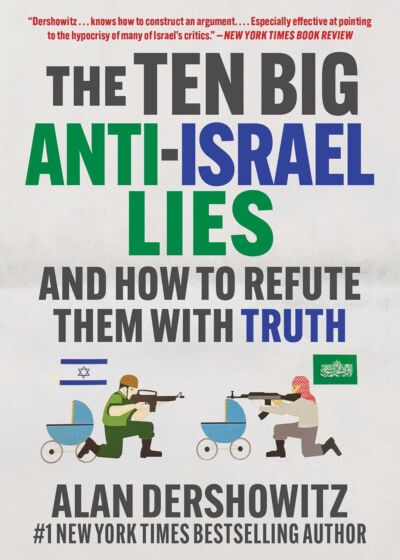
The Ten Big Anti-Israel Lies

2024

by Alan Dershowitz

Alan Dershowitz’s slim volume is packed with many facts from which students who genuinely want to learn more about Israel and the current situation facing the country will benefit.

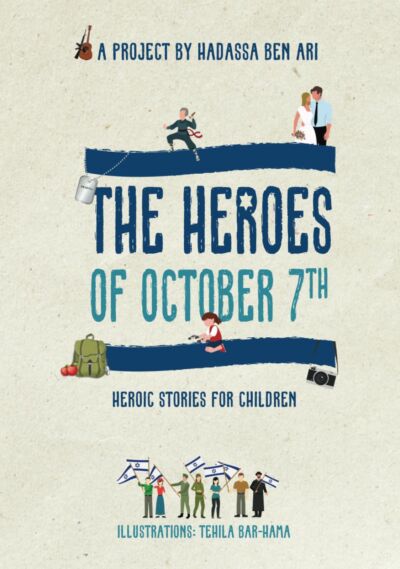
The Heroes of October 7th

2024

by Hadassa Ben Ari, illustrated by Tehila Bar-Hama

Edited in collaboration with psychologists, Ben-Ari’s anthology offers 71 stories of heroism, tastefully illustrated in muted tones, in keeping with the editors’ non-sensationalist approach.

The Lilac Tree

2023

by Ammiel Hirsch

In this accessible book, readers trying to navigate a post-October 7 landscape will find guidance and wisdom to help them do so from a humble and intelligent Jewish religious leader who has devoted his life to the Jewish state, Jewish life, and general society.

A Visit to Moscow

2022

Adapted by Anna Olswanger from a story by Rabbi Rafael Grossman, illustrated by Yevgenia Nayberg

It’s crucial for young readers to learn about life in the former Soviet Union. This touching graphic novel illustrates how the communist system suppressed Jewish identity, how brave individuals resisted the totalitarian regime, and how Americans helped defeat it.

Balcony on the Moon

2016

by Ibtisam Barakat
A memoir of war and dislocation can arouse sympathy in young readers, but the author’s hardships are no excuse for twisting international law and erasing Jewish history from the land of Israel.

A Little Piece of Ground

2016

by Elizabeth Laird
A story of the Second Intifada that demonizes and dehumanizes Israelis has no place in education. Yet that is exactly what Elizabeth Laird’s A Little Piece of Ground, now required reading in Newark public schools, does.

Code Name: Butterfly

2016

by Ahlam Bsharat, translated by Nancy Roberts
A novel for teens that idolizes terrorists as martyrs and erases Israeli suffering inverts the realities of the Middle East conflict.  It doesn’t belong in the hands of impressionable young readers.

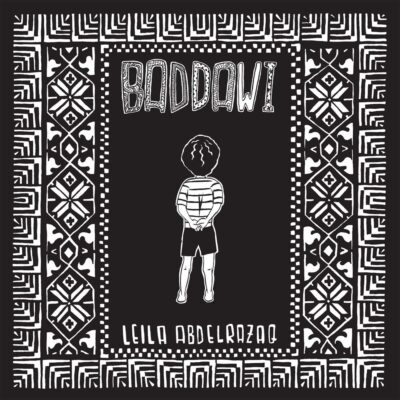
Baddawi

2015

by Leila Abdelrazaq
Young readers should learn about the exile of Palestinians, but the story should be based on facts. Myths, hearsay, omissions and distortions don’t constitute history. They constitute propaganda.

The Cat at the Wall

2014

by Deborah Ellis
Post-October 7 revelations about UNRWA schools expose the naiveté of this dated account of the Second Intifada. It’s not misunderstanding, but hatred, that underlies the Arab-Israeli conflict.

Uncle Meena

2010

by Ibtisam Barakat
As a story assigned to young readers in public school classrooms, there are serious concerns about messages of “Uncle Meena” on the Arab-Israeli conflict, Jewish history, and American Jews.

Uri is bored hanging around his parents’ delicatessen in 1930s Tel-Aviv until his German-speaking Grandma takes him on a walk and introduces him to the famous classical musician, Mr. Huberman, a friend she knew back in Europe. A Concert in the Sand tells the story of the first performance of what was to become Israel’s Philharmonic Orchestra.

Whenever the author-illustrator runs in a field, climbs a hill, or swims in the sea in Israel, she looks for something small to hold in her hand. She finds a basalt pebble from the ice-cold Dan River, formed from lava over 100,000 years ago. Israel’s national bird, the hoopoe, leaves a feather in the grass at HaYarkon Park. Dead hood coral grows in the Red Sea, where fish play hide-and-seek. She holds small things in her hand and then leaves them in their habitats . . . for the reader to find.

The life story of Hadassah founder Henrietta Szold’s upbringing in Baltimore and her social justice work to help Jewish immigrants assimilate into American society and later, when Hitler came to power, to save Jewish children by organizing their transfer to pre-Israel Palestine.

A Sweet Meeting on Mimouna Night tells the story of a young Jewish girl in Morocco who is helping her mother gather flour from her Muslim neighbors to make special pancakes that are only eaten on the last day of Passover as they celebrate the Jewish-Moroccan holiday Mimouna.

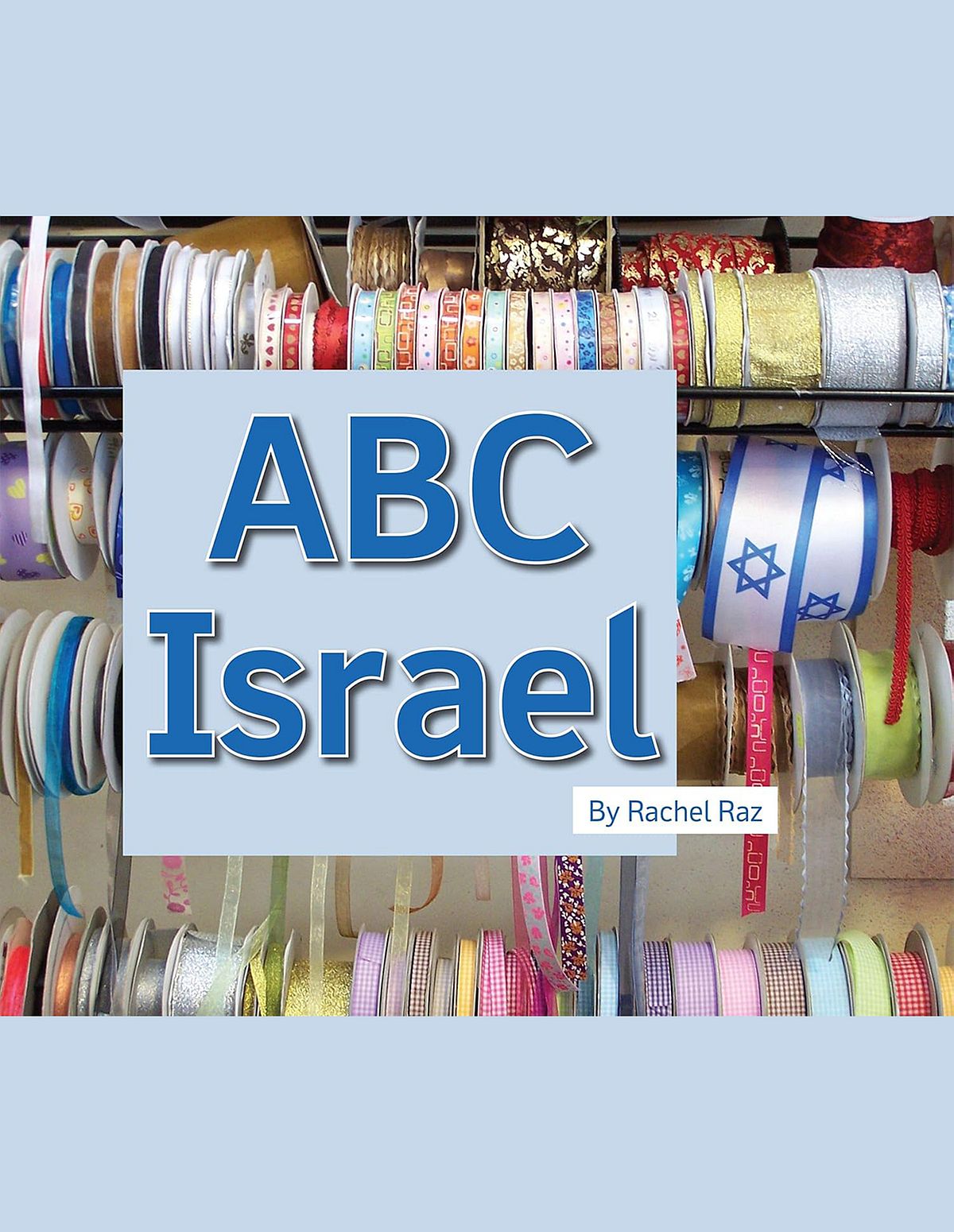
ABC Israel, introduces readers to Israel’s people, food, languages, and more with colorful pictures, while also teaching the alphabet.

Aleph- Bet Israel introduces young readers to the Hebrew alphabet and popular sites around Israel using whimsical illustrations.

Sahay and Rahel are all alone, traveling through strange and dangerous territory in Ethiopia, trying to reach Jerusalem. They are both brave, but is bravery enough to survive?

Set in 1973, Melanie desperately wants to be accepted by the Shimmers, the popular girls in her class, but when she gets to know Dorit, the new girl from Israel, she must choose between popularity and true friendship.

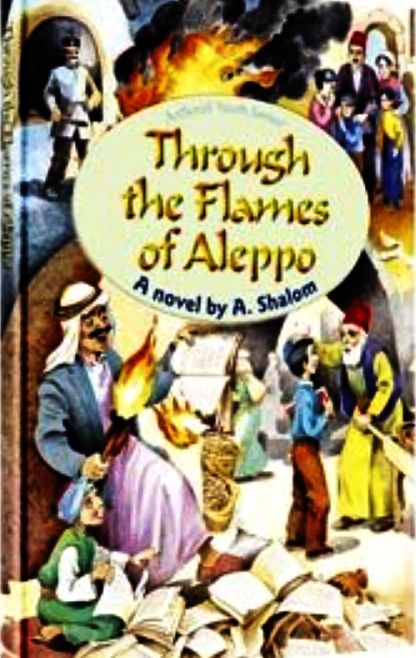
As the UN votes to create a Jewish State, Aleppo explodes in a pogrom against its Jewish community. As the riot rages, young Ezra sets out to retrieve a midwife for his pregnant mother.

Yosef Mendelevich had always known he was Jewish, but in the USSR, teaching about Judaism was against the law. So Yosef applied for and was denied permission to leave the Soviet Union and move to Israel. This began Yosef’s harrowing journey through labor camps and prisons to ultimately achieve his dream of practicing Judaism and living in the Jewish homeland.

Explore the historical and political forces that created the Jewish state, influence the unrest in the Palestinian territories, shape the peace process, and affect Israel’s security today. Learn about the diversity of the land and the people, the significance of the Law of Return, and Israel’s importance to America’s interests. Israel Matters explores the historical and political forces that created the Jewish state, influence the unrest in the Palestinian territories, shape the peace process, and affect Israel’s security today. It was written to help anyone sort out the complexities that surround the Jewish state and offers a place to begin a conversation.

The first comprehensive yet accessible history of the state of Israel from its inception to present day. Author Daniel Gordis offers a brief but thorough account of the cultural, economic, and political history of this complex nation, from its beginnings to the present. Accessible, levelheaded, and rigorous, Israel sheds light on Israel’s past, so we can understand its future.

Written by one of Israel’s most notable scholars, this volume provides a breathtaking history of Israel from the origins of the Zionist movement in the late nineteenth century to the present day. Organized chronologically, the volume explores the emergence of Zionism in Europe against the backdrop of relations among Jews, Arabs, and Turks, and the earliest pioneer settlements in Palestine under Ottoman rule. References to contemporary diaries, memoirs, and literature bring a human dimension to this narrative history of Israel.

This comprehensive book provides a well-rounded introduction to Israel—a definitive account of the nation’s past, its often controversial present, and much more. Written by a leading historian of the Middle East, Israel is organized around six major themes: land and people, history, society, politics, economics, and culture. It offers accessible, clearly explained material, and provides readers with a solid foundation of knowledge about Israel.

Israel is the only Western-style democracy in the greater Middle East, a world-leader despite its small size in medicine, science and technology and is the effective first-responder in many global humanitarian relief efforts. Yet international public opinion surveys find it ranked as one of the chief threats to world peace. What happened to the post-1945 world of Never Again! ? Author Eric Rozenman examines how we got here, the danger posed not only for the Jewish state and Jews everywhere but also for the United States and the rest of the self-doubting liberal West.

Checkpoint

2003

Hebrew title: Machsomim
Directed by: Yoav Shamir
Produced by: Amit Breuer
Hebrew / Arabic / English; English subtitles
80 minutes

The film presents a one-sided depiction of the inconveniences to Palestinians caused by Israeli checkpoints.

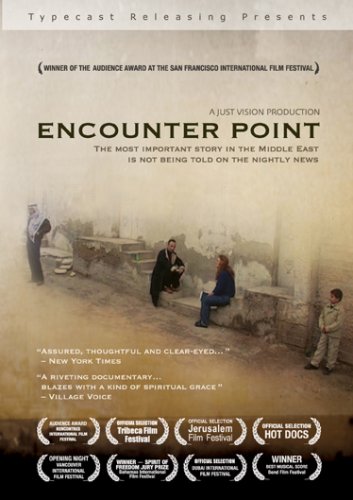
Encounter Point

2006

Directed by Ronit Avni and Julia Bacha
Just Vision Films
Arabic, English, Hebrew
85 minutes

The documentary follows the stories of a South African-Israeli mother, a former settler, a former Palestinian protestor, an Israeli father, a Palestinian Christian father and a Palestinian ex-prisoner, all of whom are dealing with the loss of a loved one due to the conflict.

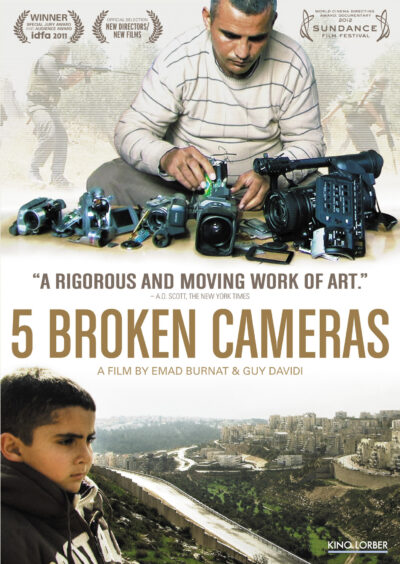
Five Broken Cameras

2011

Distributed by Kino Lorber
Produced and Directed by Emad Burnat and Guy Davidi
Hebrew/Arabic; English subtitles
90 minutes

This heavily edited, agenda-driven film purports to document the daily lives of the Palestinian film-maker and his fellow villagers and their activism against the Israeli security fence and settlements. 5 Broken Cameras is Palestinian film-maker Emad Burnat’s diary of his fellow villagers’ protest response to Israel’s security fence and to Jewish settlements on what he considers his land. Hailed as an artistic success, the film won an award at the prestigious Sundance Festival.

I Am From Palestine

2023

Directed by: Iman Zawahry
Produced by: Rifk Ebeid
English
~6 minutes

A frequent feature of anti-Israel activism is erasing the State of Israel from the map and replacing it with Palestine. One insidious example of this comes in the short video “I am from Palestine.”

Impact of Terror (2004)

2005

Directed by Tim Wolochatiuk
Associated Producers
52 minutes, English

This moving documentary about the Israeli victims of the 2001 suicide bombing at the Sbarro pizerria follows terror victims in the years after the bombing, documenting both the immediate and the ripple effects of the violence on their subsequent lives.

Israelism

2023

Directed by: Erin Axelman and Sam Eilertsen
Produced by: Daniel J. Chalfen, Nadia Saah, and Erin Axelman
English, Arabic with English subtitles
124 minutes

Israelism is a lurid example of an increasingly popular genre of filmmaking that purports to be a documentary exposing human rights abuses but is really disguised political propaganda.

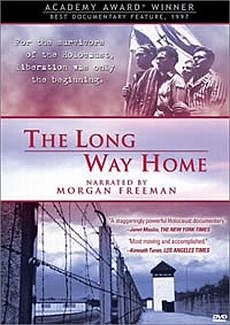
Long Way Home

1997

Directed by Mark Jonathan Harris
Narrated by Morgan Freeman
English, B&W, Color
120 min

At a time when Israel’s legitimacy is increasingly challenged and overt anti-Semitism again menaces Jews, the Academy Award winning documentary, “The Long Way Home,” provides a powerful reminder of the heroic effort to re-establish the Jewish homeland in the wake of the European Holocaust.

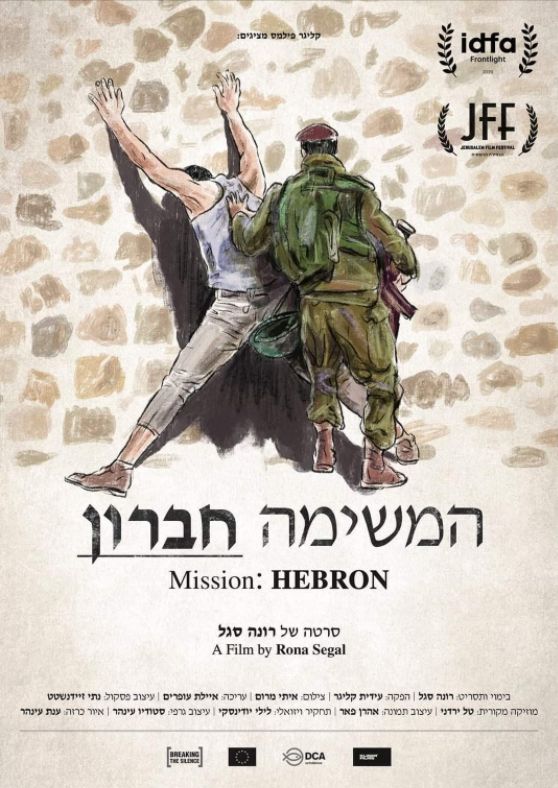
Mission: Hebron

2020

Written and Directed by Rona Segal;
Produced by Idit Klinger, Kobi Mizrahi;
Distributed by New York Times Op-Doc;
Hebrew, English with English subtitles;
22 minutes

The film purports to show reluctant soldier whistleblowers divulging tales of Israeli military and settler brutality but in fact it is just more slanderous propaganda from the anti-Israel activist group, Breaking the Silence.

Occupation 101

2007

Written, Directed, and Produced by Sufyan Omeish and Abdallah Omeish
Arabic, English with English subtitles
90 minutes

Occupation 101 falsely equates the Palestinian cause with civil rights struggles around the world, featuring well rehearsed indictments of the Jewish state by a who’s who of anti-Israel activists. It would have more aptly been titled Propaganda 101.

One Day in September

1999

Directed by Kevin Macdonald
Narrated by Michael Douglas
English, German, B&W, Color
94 min

While Steven Spielberg’s 2005 film, “Munich,” blurs the line between historical fiction and real events to tell the story of an Israeli hit team’s hunt for those involved in the 1972 Olympic massacre of Israeli athletes, this Academy Award-winning film focuses on the massacre itself through live film clips, news broadcasts and interviews with police, close relatives of victims, and the sole surviving perpetrator.

Promises

2001

Produced, Written and Directed by BZ Goldberg, Justine Shapiro; English, Arabic, Hebrew with English subtitles;
106 minutes

See our filmed review  of a dated documentary that is still being used as part of the curriculum in some American public middle schools. The film examines the Arab-Israeli conflict through the eyes of seven children living in the Jerusalem vicinity, from both sides of the conflict. While the protagonists are appealing, the take-away message of the film, based on misleading context and a lack of essential background information, is one-sided and politicized.

The Forgotten Refugees

2005

Directed by Michael Grynszpan
Produced by The David Project and IsraTV
49 minutes, English

The film explores the history and destruction of Middle Eastern Jewish communities, some of which had existed for over 2,500 years.Featuring testimony from Jews who fled Egypt, Libya, Iraq, Yemen, Morocco and Iran, the film explores the rich heritage and destruction of the Middle East’s age-old Jewish communities. Personal stories of refugees are interspersed with dramatic archival footage, including the mission to rescue Yemenite Jews.

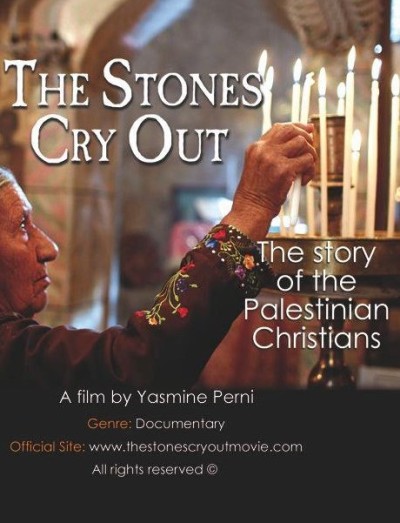
The Stones Cry Out

2013

Produced and Distributed by Yasmine Perni English 56 minutes

Yasmine Perni’s 2013 movie “The Stones Cry Out” allows influential and seasoned pro-Palestinian activists to present an emotionally charged, one-sided story of Palestinian Christians devoid of historical context and facts.

CAMERA Education Presents: Israel in a Diverse Region

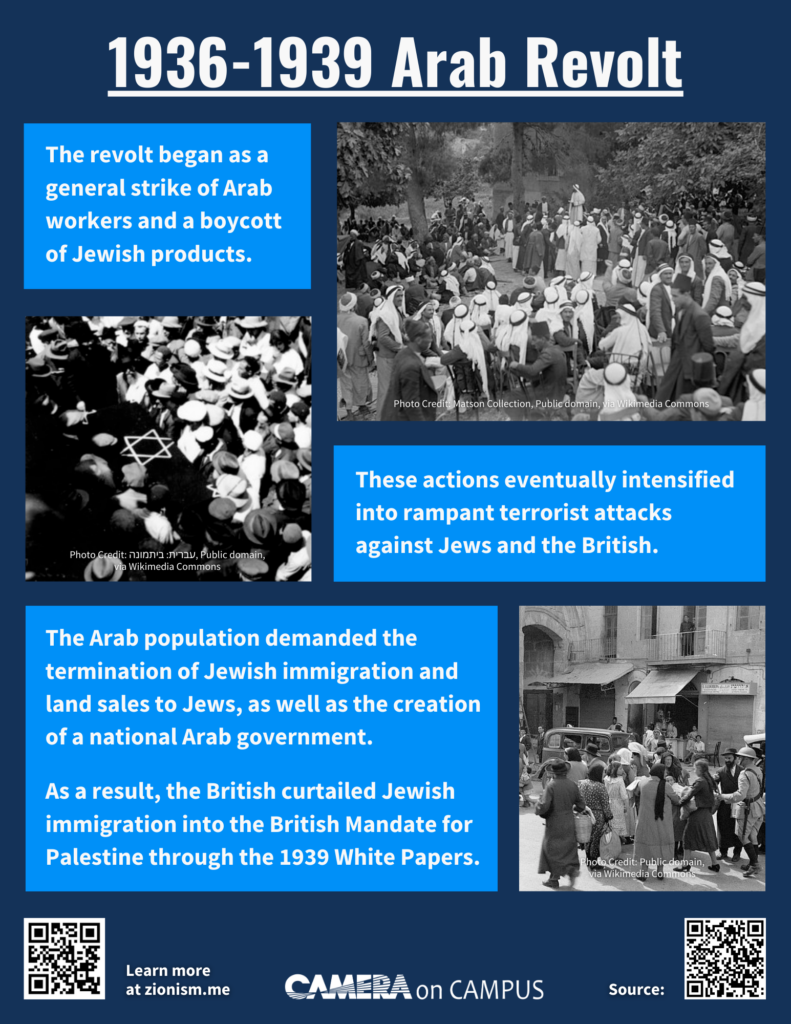
CAMERA Presents: The Arab-Israeli Conflict

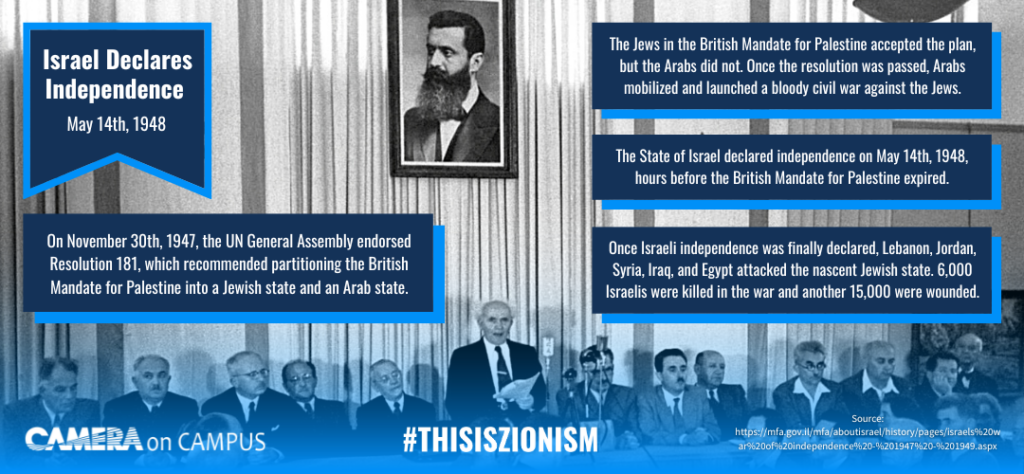
CAMERA Education Presents: The Return of Jewish Sovereignty in the Land of Israel

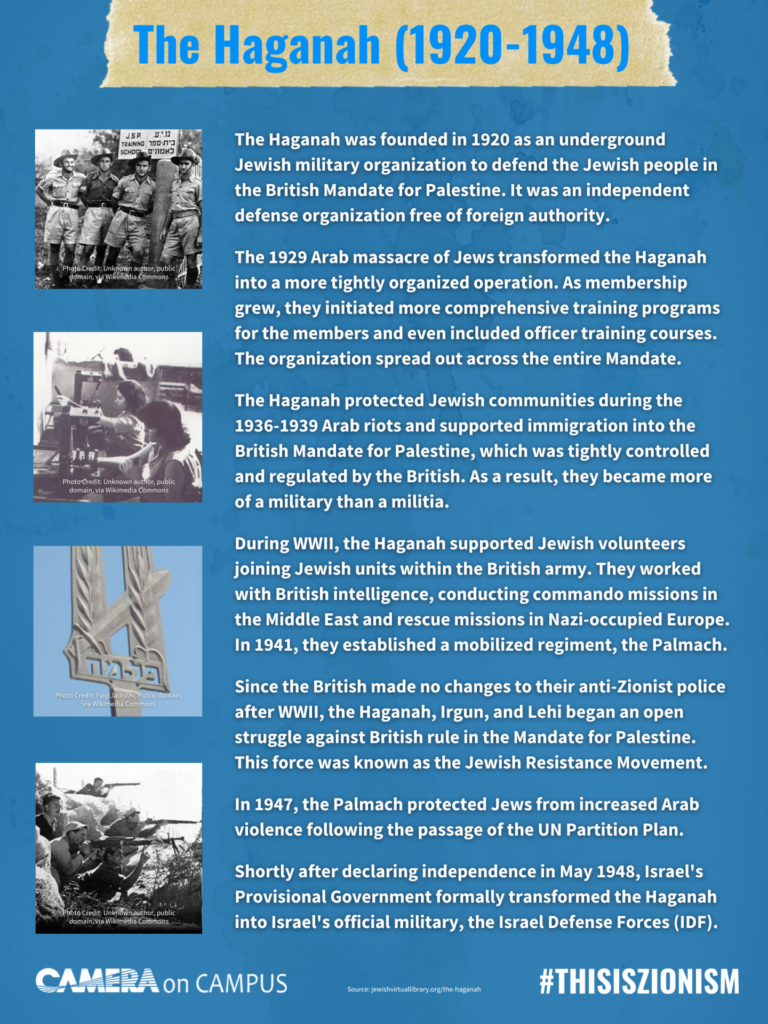
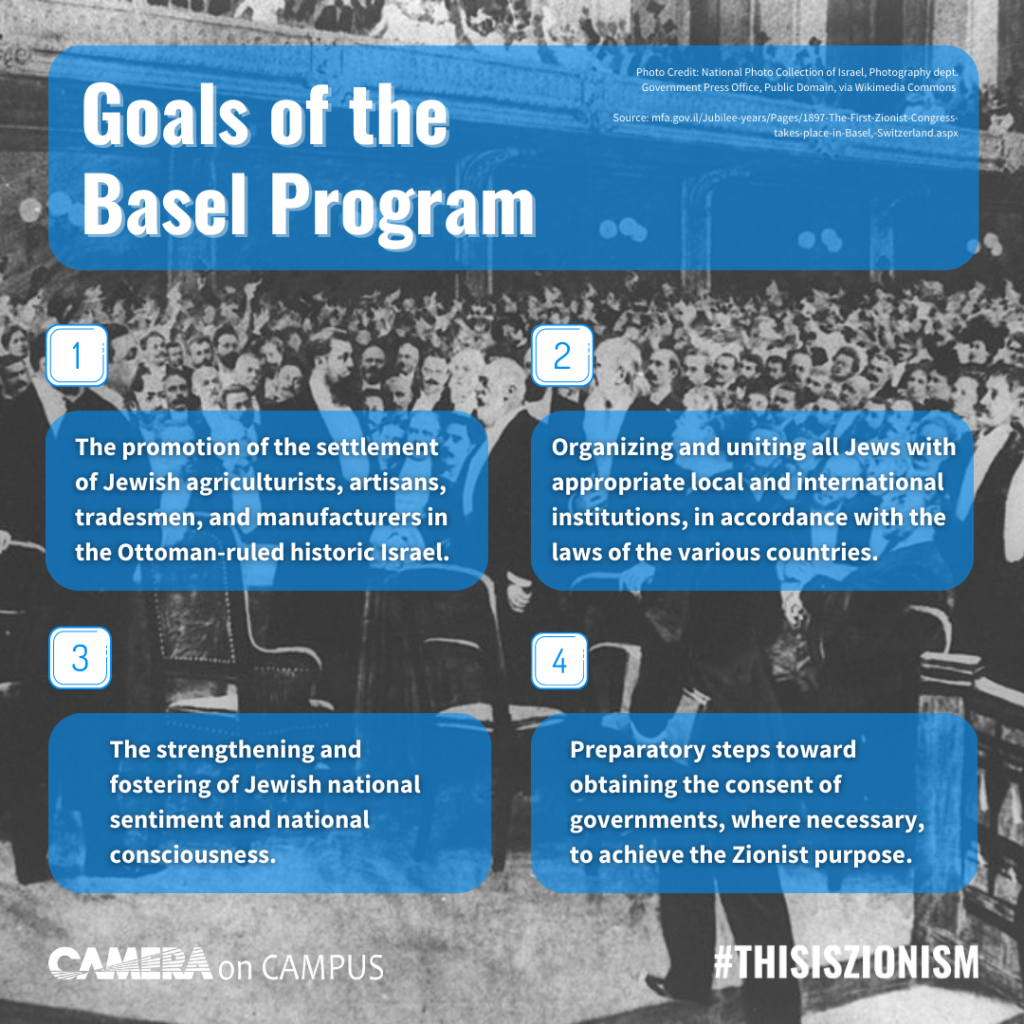
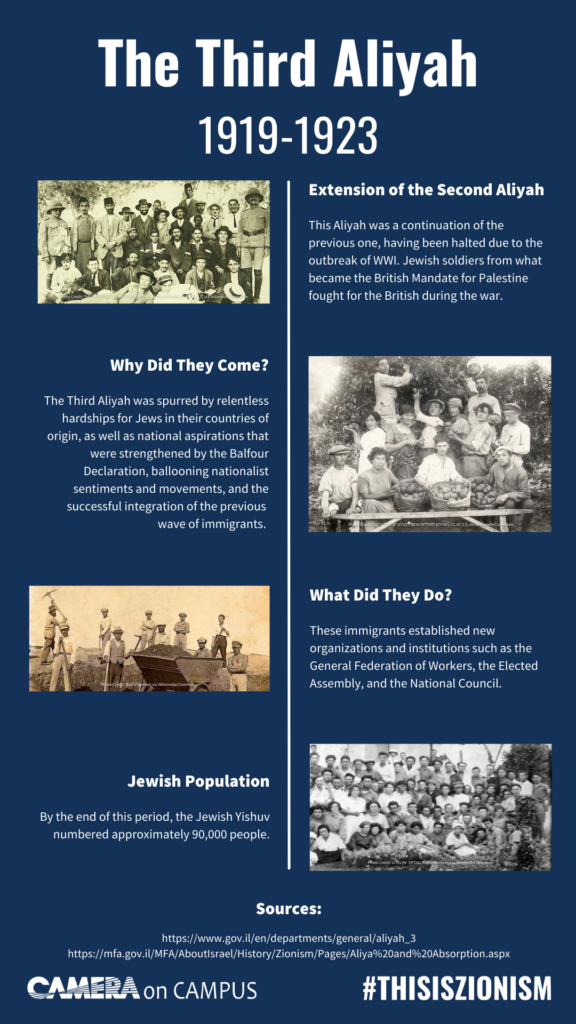
CAMERA Education Presents: Zionism and the Movement for Jewish Self-Determination

The CAMERA Education Institute Presents: The Origins of the Jewish People In the Land of Israel

2019: Trump peace proposal

2000 Camp David Proposal

1990’s Israel and the PA

1980’s Israel’s Northern Border

1979 Post Peace Treaty With Egypt

1967 Post Six Day War

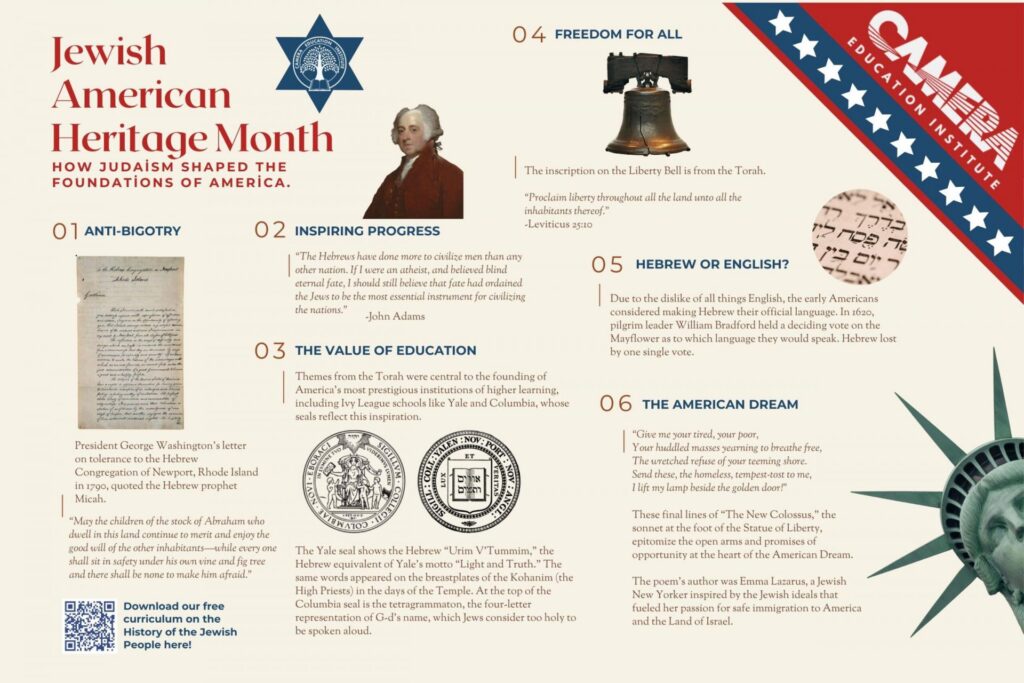
The History of the Jewish People in the Land of Israel

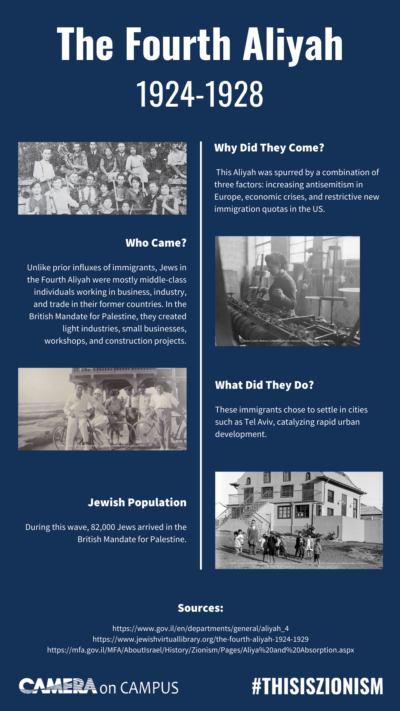
What do we know about the ancient Israelites? When did the ancient Israelites become the Jews? How did the emergence of other religions and the movement of peoples across the Middle East into the Land of Israel affect the Jewish people? How did Jews maintain their connection to the Land of Israel in the diaspora? How did World War I, World War II, and the Cold War impact the history of Israel? How did the modern state of Israel form? Why has there been ongoing conflict between Israel and the Arabs?

To answer these questions CEI offers educators a teacher-friendly curriculum tracing the history of the Jewish people in the land of Israel from ancient to modern times. This state social studies-aligned curriculum situates Jewish history in the larger context of Middle Eastern and World History. Students learn how geography and the development of religious, cultural, and political movements from ancient to modern times have created a complex society. Lesson plans utilize a wide- range of primary sources, maps, and videos.

The curriculum includes the following high school lessons:

  • The Historical Roots of Israel in Ancient History
  • Medieval Jewish Life and the Land of Israel
  • Zionism: The Movement for Jewish Self-Determination
  • The Reestablishment of Jewish Sovereignty in the Land of Israel
  • The Arab-Israeli Conflict During the Cold War
  • The Israeli-Palestinian Conflict

The curriculum also includes the following elementary school activity: Understanding Timelines and Change Over Time.

To access the curriculum, please log in or create a free account:
If you have any technical issues or questions, contact us by email:
schools@camera.org.
important events and documents

Jerusalem

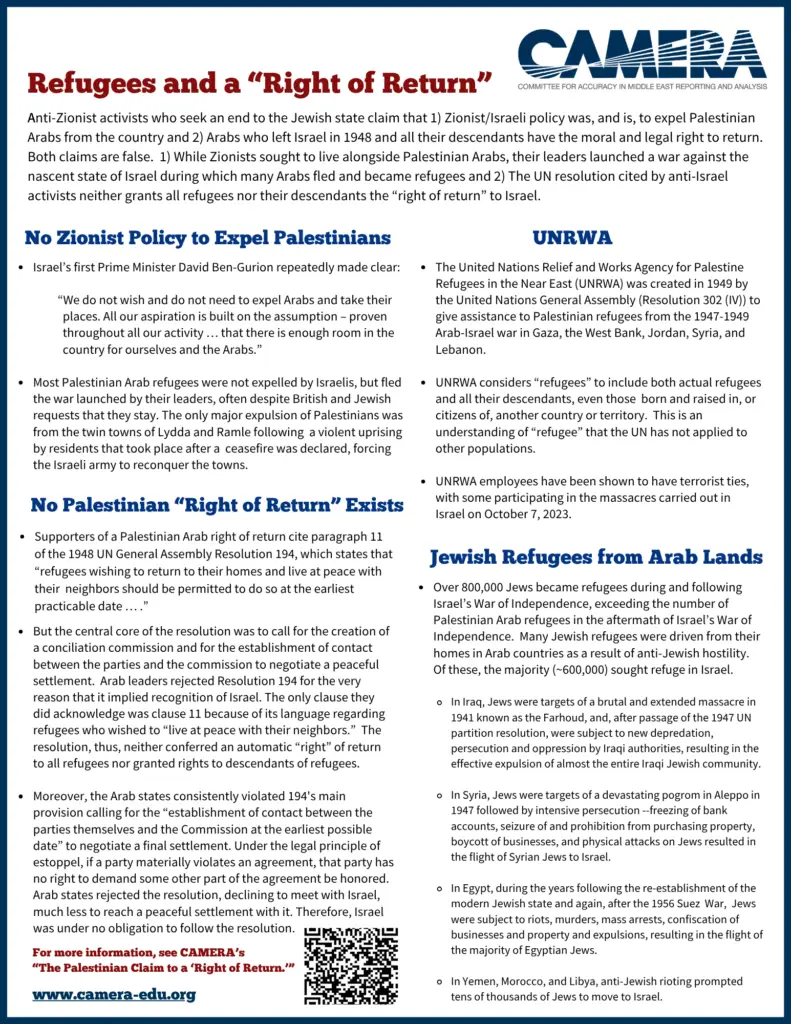
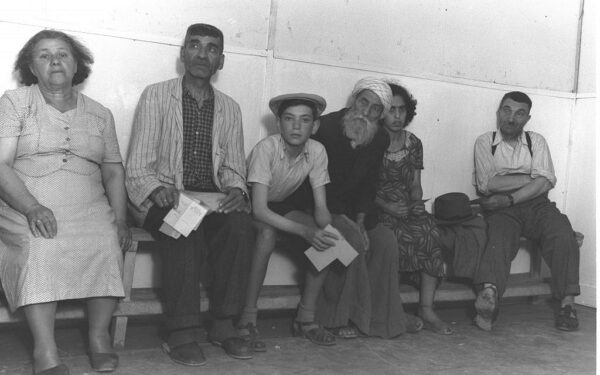
Refugees

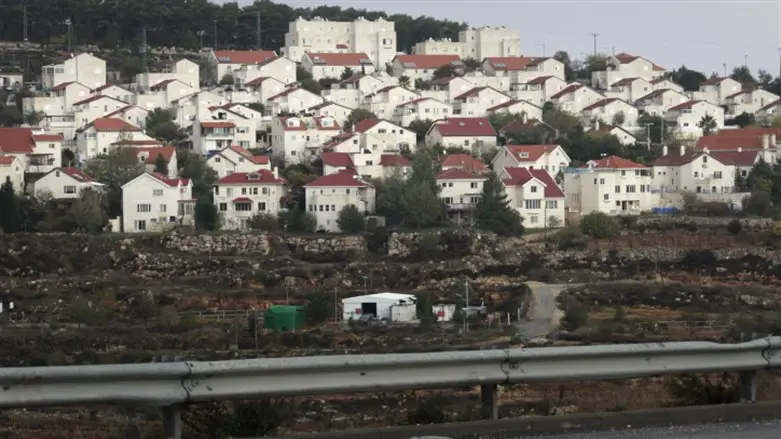
Settlements

Terrorism

More Backgrounders